Lion’s Mane for Athletes: Focus, Recovery, and Performance

If you’re serious about your training, you’ve probably already dialed in your protein, sleep, and recovery stack. But there’s a functional mushroom quietly earning a spot in athlete supplement routines: lion’s mane (Hericium erinaceus). Known mostly for its brain-supporting properties, lion’s mane is now drawing interest from athletes looking for an edge in focus, faster … Read more

Lions Mane Dosage: How Much Should You Take?

Lion’s mane dosage recommendations vary widely across the supplement market, and not all of them are grounded in the clinical research. The “right” dose depends on what you’re trying to accomplish, the quality and concentration of the product you’re using, and how long you plan to take it. This guide covers what clinical trials have … Read more

Lions Mane and Anxiety: What Early Research Suggests

The research on lion’s mane mushroom and anxiety is still early-stage, but it’s more interesting than a typical supplement claim. The evidence isn’t from large randomized controlled trials yet, but the mechanisms being studied are grounded in real neuroscience, and several small human trials have produced results worth paying attention to. This article walks through … Read more

How Long Does Lions Mane Take to Work?

The Short Answer: 2 to 16 Weeks, Depending on What You’re After Most people taking lion’s mane notice improvements in mental clarity and focus within 2-4 weeks. Deeper cognitive effects, including better memory consolidation and sustained cognitive performance improvements, typically emerge over 8-16 weeks based on what clinical trials have actually measured. The reason for … Read more

Lion’s Mane for Memory and Cognitive Decline: What Research Shows

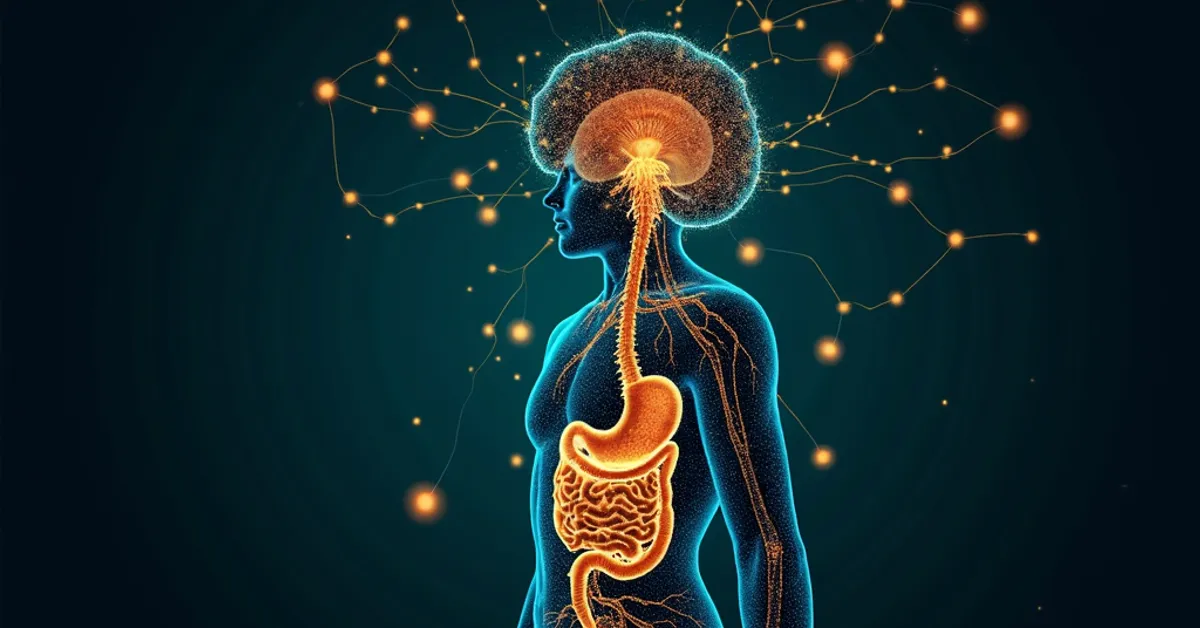
The Biology Behind Lion’s Mane and Brain Health Lion’s mane mushroom (Hericium erinaceus) contains two classes of compounds found nowhere else in nature: hericenones and erinacines. Both are capable of crossing the blood-brain barrier, and both stimulate the production of nerve growth factor (NGF), a protein that regulates the maintenance, survival, and regeneration of neurons. … Read more

Lion’s Mane While Pregnant or Breastfeeding: Is It Safe?

Lion's mane mushroom capsules on pastel background representing supplement safety during pregnancy

Understanding Lion’s Mane Mushroom Lion’s mane mushroom, scientifically known as Hericium erinaceus, is a popular natural supplement praised for its potential cognitive and neurological benefits. Many users seek out lion’s mane for its purported ability to enhance memory, focus, and overall brain function. For a broader look into the general lion’s mane mushroom benefits, consult … Read more

Lion’s Mane for ADHD and Focus: Does It Work?

Lion's mane mushroom beside a notebook representing focus and cognitive clarity for ADHD support

Understanding ADHD and Its Neurological Challenges Attention Deficit Hyperactivity Disorder (ADHD) is a neurodevelopmental disorder characterized by symptoms such as inattention, hyperactivity, and impulsivity. At its core, ADHD is associated with neurotransmitter imbalances, particularly involving dopamine and norepinephrine, which play critical roles in attention and executive function. Disclosure: This post contains affiliate links. We may … Read more

Lion’s Mane vs Ashwagandha: Which Is Better for Focus and Stress?

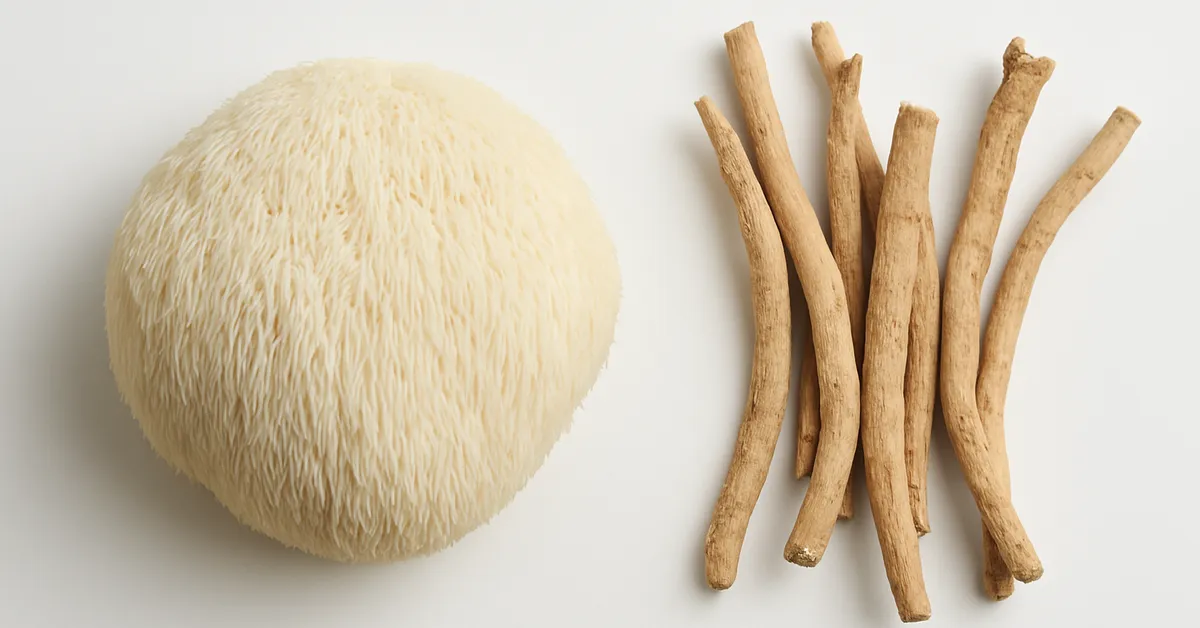
Lion's mane vs ashwagandha for focus and stress relief

Two Different Supplements Solving Two Different Problems Lion’s Mane and ashwagandha get grouped together constantly in the “brain health” and “stress supplements” categories. But they work through completely different mechanisms, target different systems, and are best for different people with different goals. Comparing them directly isn’t like comparing two versions of the same thing. It’s … Read more

Lion’s Mane Side Effects: Is It Safe to Take Daily?

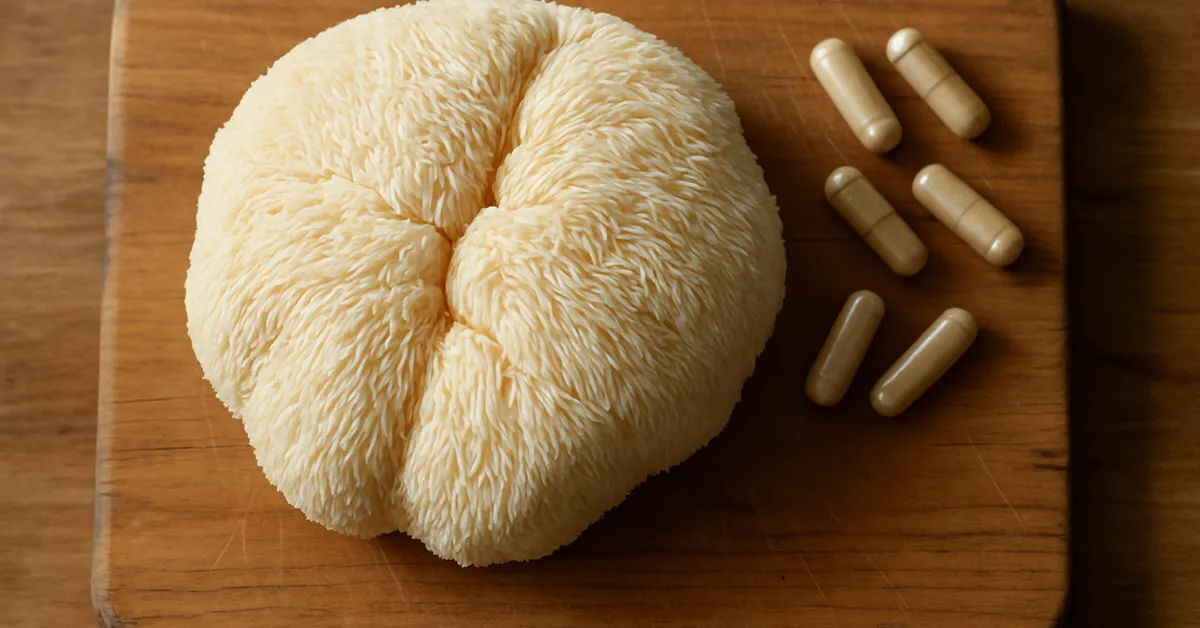
Fresh lion's mane mushroom showing its distinctive white spines

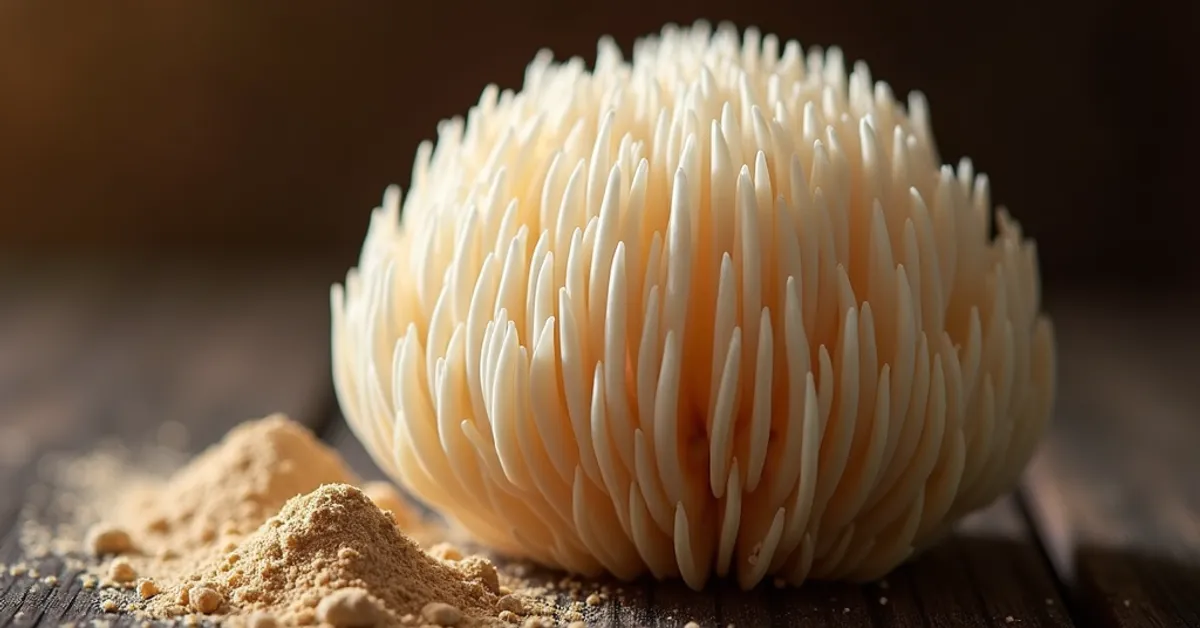
The Short Answer: Yes, It Is Generally Very Safe Lion’s mane mushroom has an excellent safety profile based on both traditional use (it has been consumed as food and medicine in East Asia for centuries) and modern clinical research. But like any bioactive compound, it is worth understanding the full picture, including who should exercise … Read more

Privacy Policy|Terms of Service