
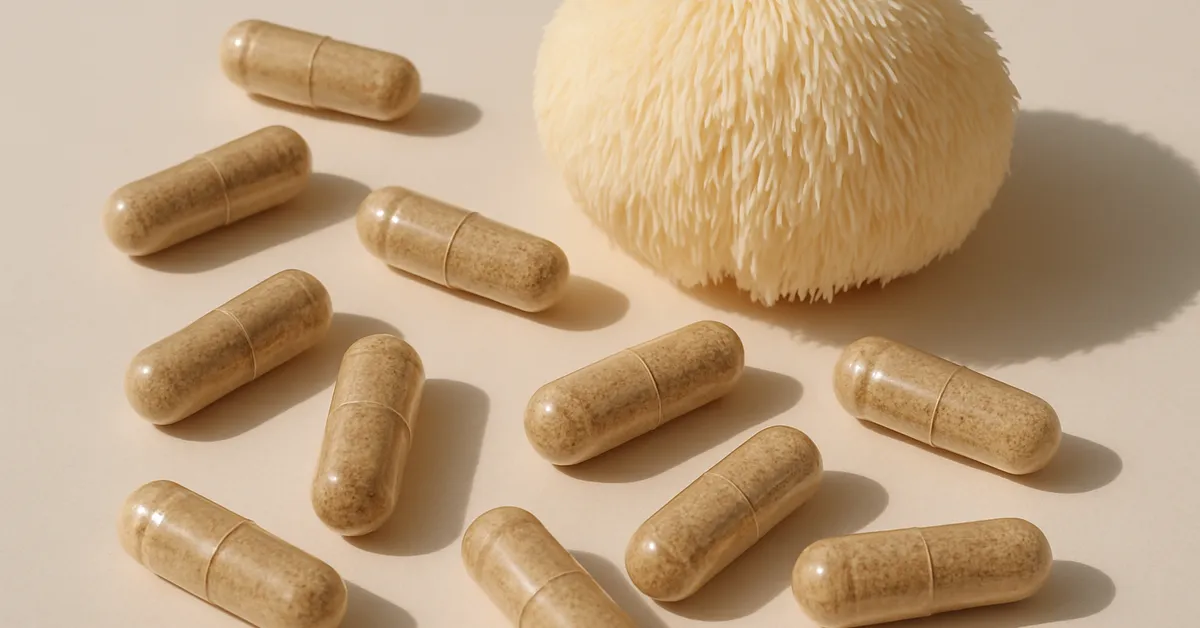
Understanding Lion’s Mane Mushroom
Lion’s mane mushroom, scientifically known as Hericium erinaceus, is a popular natural supplement praised for its potential cognitive and neurological benefits. Many users seek out lion’s mane for its purported ability to enhance memory, focus, and overall brain function. For a broader look into the general lion’s mane mushroom benefits, consult additional resources.
Disclosure: This post contains affiliate links. We may earn a commission if you purchase through our links, at no extra cost to you. We only recommend products we trust.
The Central Issue: Lack of Safety Data for Pregnancy and Breastfeeding
While lion’s mane might offer intriguing health benefits, its safety during pregnancy and breastfeeding remains largely unexamined. The primary concern is the absence of comprehensive clinical trials or studies that specifically assess the effects of lion’s mane on pregnant or nursing women and their children.
Why “Natural” Does Not Automatically Mean Safe
A common misconception is that natural products are inherently safe, a belief that can be misleading, especially during sensitive life stages like pregnancy. Even natural substances can pose risks due to their biologically active components, which can interact with bodily processes in unforeseen ways. As noted in the lion’s mane side effects and daily safety resources, safety must be evaluated on a case-by-case basis.
Existing Research on Lion’s Mane and Safety Concerns
Research has shown that lion’s mane has neurotrophic effects, meaning it can promote the growth and function of nerve cells. Studies like the one found here reveal that this mushroom may enhance cognitive function. However, being potent in stimulating nerve growth factor (NGF), there are theoretical risks related to fetal nervous system development, as the precise impacts of NGF on fetal growth are not fully understood.
Moreover, lion’s mane possesses immune-modulating properties, which could affect the immune balance during pregnancy, posing another layer of concern, as outlined here.
Conventional Medical Guidance on Unstudied Supplements During Pregnancy
Health professionals generally exercise caution regarding the use of unstudied supplements in pregnancy. The standard advice is to avoid supplements lacking robust research, mainly because the effects on fetal development and maternal health remain uncertain. A study addressing this issue, available here, emphasizes careful consideration when evaluating supplement use during this critical period.
Specific Concerns: Allergy Potential, Immune Effects, Blood Coagulation
Lion’s mane, like other mushrooms, has allergy potential that could affect individuals during pregnancy. Additionally, its immune-modulating capabilities might lead to unpredictable immune responses. Concerns also exist regarding its effects on blood coagulation, which could interfere with normal pregnancy circulation processes.
Safer Alternatives for Cognitive Support During Pregnancy
For those seeking cognitive enhancement during pregnancy, some well-researched nutrients present safer alternatives. Choline, essential for brain development, and DHA, a type of omega-3 fatty acid, are both critical for fetal brain health and widely considered safe. Consulting with healthcare providers about integrating these nutrients is crucial.
When to Talk to Your OB or Midwife
Discuss any supplements, including lion’s mane, with your OB-GYN or midwife prior to use. They can provide personalized advice and ensure that your supplement regimen aligns with your health needs and the health of your developing baby.
Bottom Line: A Responsible Approach
The responsible course of action is to avoid lion’s mane during pregnancy and breastfeeding due to insufficient safety data. Focus on confirmed-safe alternatives and open communication with your healthcare team to maintain brain health and wellness during this vital phase.
Related Products
While not recommended for pregnancy, mushroom complex with lion’s mane or also on Amazon can be considered for general cognitive support when not pregnant or breastfeeding. For more insights, read about the benefits of a mushroom complex.
FAQs About Lion’s Mane and Pregnancy
- Is lion’s mane safe to take during pregnancy? There is insufficient research on lion’s mane safety during pregnancy. Most healthcare providers recommend avoiding unstudied supplements while pregnant due to unknown effects on fetal development. Consult your OB-GYN or midwife before taking lion’s mane while pregnant.
- Can I take lion’s mane while breastfeeding? The safety of lion’s mane while breastfeeding has not been established in clinical research. Until more data is available, most practitioners advise caution with unstudied supplements during the breastfeeding period to protect the nursing infant.
- Why is lion’s mane potentially risky during pregnancy? Lion’s mane stimulates nerve growth factor (NGF) production, and the effects of altered NGF levels during fetal nervous system development are not well studied. It also has immune-modulating properties. These theoretical concerns, combined with a lack of safety data, make caution appropriate.
- What cognitive supplements are considered safer during pregnancy? Choline and DHA (omega-3) are among the most well-researched nutrients for brain health during pregnancy and are generally considered safe. Always consult your healthcare provider before starting any supplement while pregnant or nursing.
- When can I safely resume lion’s mane after pregnancy? Many people resume lion’s mane after they have finished breastfeeding, as this removes the potential for any unknown compounds to pass to the infant. Discuss the timing with your healthcare provider, especially if you have other health considerations.